
No products in the cart.
Return To Shop
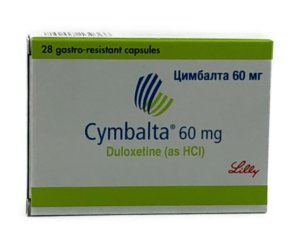
Cymbalta
Cymbalta (duloxetine) is an SNRI antidepressant used to treat depression, anxiety, fibromyalgia, and diabetic nerve pain. It is available as delayed-release capsules in 20 mg, 30 mg, and 60 mg strengths from our depression medications catalog.
| Brand | Form | Price | Qty | Action |
|---|---|---|---|---|
| Cymbalta Brand | 30mg 28 Capsules | $35.00 | ||
| Cymbalta Brand | 60mg 28 Capsules | $77.00 | ||
| Yentreve Brand | 20mg 56 Capsules | $117.00 | ||
| Yentreve Brand | 40mg 56 Capsules | $118.00 |
Brand:Cymbalta Brand
Form:30mg 28 Capsules
Price:$35.00
Brand:Cymbalta Brand
Form:60mg 28 Capsules
Price:$77.00
Brand:Yentreve Brand
Form:20mg 56 Capsules
Price:$117.00
Brand:Yentreve Brand
Form:40mg 56 Capsules
Price:$118.00
US Name
Israeli Names
Active Ingredients
Brand Manufacturer
Manufacturer Location
Product Insert
US Name:
Cymbalta
Israeli Names:
Cymbalta, Yentreve
Active Ingredients:
Duloxetine
Brand Manufacturer:
Lilly
Manufacturer Location:
Spain
Product Insert:
Download
Cymbalta contains the active ingredient duloxetine hydrochloride, which belongs to a class of medications known as serotonin and norepinephrine reuptake inhibitors (SNRIs). First approved by the FDA in 2004, duloxetine has become one of the most widely prescribed antidepressants in the United States and abroad due to its ability to address both psychiatric and pain-related conditions in a single medication.
How Cymbalta Works
Duloxetine works by inhibiting the reuptake of serotonin and norepinephrine in the central nervous system. These two neurotransmitters play a major role in regulating mood, emotional responses, and how the body perceives pain. By preventing their reabsorption back into nerve cells, Cymbalta effectively increases the availability of these chemicals in the brain which can improve depressive symptoms, ease anxiety, and reduce certain types of chronic pain. This dual-action mechanism sets SNRIs apart from older selective serotonin reuptake inhibitors (SSRIs) that only target serotonin. Patients who want to learn more about how these medications work can read our guide on how antidepressants work.
Clinical Effectiveness
The effectiveness of Cymbalta for major depressive disorder was demonstrated in four short-term clinical trials and one maintenance trial in adults. For generalized anxiety disorder, efficacy was established through multiple placebo-controlled studies. Clinical data also supports its use for diabetic peripheral neuropathic pain, fibromyalgia, and chronic musculoskeletal pain — making duloxetine one of the few antidepressants with FDA approval across such a broad range of indications. Patients with diabetes who experience nerve pain in their feet or hands may find particular benefit from Cymbalta’s pain-modifying properties.
Dosing Guidelines
For major depressive disorder, the recommended starting dose is 40 mg per day (given as 20 mg twice daily) and can be increased to 60 mg once daily. There is no strong evidence that doses above 60 mg per day provide additional benefit for depression, while higher doses may increase the risk of side effects. For generalized anxiety disorder, the typical starting dose is 60 mg once daily though some patients may begin at 30 mg for one week before increasing. When treating diabetic neuropathic pain, the recommended dose is 60 mg once daily. For fibromyalgia and chronic musculoskeletal pain, treatment often starts at 30 mg daily for one week, then increases to 60 mg daily.
Cymbalta capsules should be swallowed whole — they should not be crushed, chewed, or opened and sprinkled on food, because doing so could affect the delayed-release coating. If you miss a dose, take it as soon as you remember unless it’s almost time for your next scheduled dose, in that case just skip the missed one and continue as normal. Never take two doses at the same time.
Who Should Not Take Cymbalta
Duloxetine should not be used by patients currently taking monoamine oxidase inhibitors (MAOIs) or within 14 days of stopping an MAOI. It is also contraindicated in patients with uncontrolled narrow-angle glaucoma. Patients with significant liver disease or those who consume substantial amounts of alcohol should avoid Cymbalta, as the medication can interact with alcohol to cause liver injury. People with severe kidney impairment (GFR below 30 mL/minute) should also avoid this medication. Before starting treatment your doctor should know about all other medications you’re taking, particularly other serotonergic drugs, blood thinners, or NSAIDs.
Comparing Cymbalta to Other Antidepressants
Cymbalta is often compared to other SNRI medications like Efexor (venlafaxine), which also targets both serotonin and norepinephrine. Both drugs are effective for depression and anxiety, but Cymbalta has the added advantage of FDA approval for pain conditions like fibromyalgia and diabetic neuropathy. For patients who don’t respond well to SNRIs, alternatives such as Wellbutrin XL (bupropion) which works on dopamine and norepinephrine instead, may be considered. Some patients also benefit from augmentation strategies using medications like Abilify (aripiprazole) alongside their antidepressant. A more detailed breakdown of treatment options is available in our Abilify vs. Efexor comparison article.
Discontinuation and Tapering
Stopping Cymbalta abruptly can cause withdrawal-like symptoms including dizziness, nausea, headache, irritability, insomnia, and sensory disturbances sometimes described as “brain zaps.” For this reason, a gradual dose reduction is always recommended when discontinuing treatment. If uncomfortable symptoms occur during tapering, your prescriber may slow down the reduction schedule or temporarily return to a previous dose.
Storage and Handling
Store Cymbalta capsules at room temperature between 59°F and 86°F (15°C to 30°C). Keep the medication in its original packaging and away from moisture and direct light. As with all prescription drugs, keep it out of reach of others who don’t have a prescription for it.
Buying Cymbalta Online
If you’re looking to buy Cymbalta online or order prescription medication online at a lower cost, licensed international pharmacies can offer significant savings compared to domestic pricing. At our online pharmacy, Cymbalta is available in both 30 mg and 60 mg capsules from the original Lilly manufacturer, and the Yentreve brand (also duloxetine) is available in 20 mg and 40 mg options. All orders over $150 qualify for free shipping.
| Brand | Cymbalta Brand, Yentreve Brand |
|---|---|
| Form | 30mg 28 Capsules, 60mg 28 Capsules, 20mg 56 Capsules, 40mg 56 Capsules |
Like all prescription medications, Cymbalta (duloxetine) can cause side effects, though not everyone experiences them. Knowing what to expect can help you and your healthcare provider manage treatment more effectively.
Common side effects reported in clinical trials include nausea, dry mouth, drowsiness, fatigue, constipation, decreased appetite, and increased sweating. Nausea tends to be most noticeable during the first week or two of treatment and usually improves as the body adjusts.
Less common side effects may include dizziness, tremor, blurred vision, insomnia, sexual dysfunction (including decreased libido, delayed ejaculation, or difficulty achieving orgasm), and weight changes. Some patients experience weight loss in the early months of treatment while others may notice gradual weight gain with long-term use.
Serious side effects that require immediate medical attention include signs of liver problems (yellowing of the skin or eyes, dark urine, upper stomach pain), severe allergic reactions (skin rash, swelling of the face or throat, difficulty breathing), serotonin syndrome (agitation, hallucinations, rapid heartbeat, fever, muscle stiffness), unusual bleeding or bruising, difficulty urinating, and seizures. Patients should also report any new or worsening mood changes, panic attacks, or thoughts of self-harm to their doctor right away.
Orthostatic hypotension — a sudden drop in blood pressure when standing — has also been reported, particularly within the first week of treatment or after dose increases.
Cymbalta (duloxetine) has received FDA approval for five distinct clinical indications in adult patients:
Major Depressive Disorder (MDD): Duloxetine is indicated for the treatment of MDD in adults. A major depressive episode involves a persistently depressed or dysphoric mood lasting at least two weeks that interferes with daily functioning, accompanied by symptoms such as loss of interest in activities, significant appetite or weight changes, sleep disturbances, fatigue, and feelings of guilt or worthlessness.
Generalized Anxiety Disorder (GAD): Cymbalta is approved for treating GAD, characterized by excessive and difficult-to-control worry occurring more days than not over a period of at least six months.
Diabetic Peripheral Neuropathic Pain (DPNP): Duloxetine is indicated for managing neuropathic pain associated with diabetic peripheral neuropathy — a condition where nerve damage from diabetes causes burning, tingling, or shooting pain typically in the hands and feet.
Fibromyalgia: Cymbalta is approved for the management of fibromyalgia, a chronic condition characterized by widespread musculoskeletal pain, fatigue, and tenderness in localized areas.
Chronic Musculoskeletal Pain: This includes conditions such as chronic lower back pain and chronic pain from osteoarthritis. Duloxetine's ability to modulate both mood-related and descending pain pathways makes it particularly suited for patients whose chronic pain coexists with depressive symptoms.
How does Cymbalta work differently from SSRIs?
Cymbalta is a serotonin and norepinephrine reuptake inhibitor (SNRI), meaning it increases the levels of both serotonin and norepinephrine in the brain. SSRIs like Paxil or Prozac only affect serotonin. The addition of norepinephrine activity gives Cymbalta its pain-relieving properties, which is why it's also approved for conditions like fibromyalgia and diabetic nerve pain.
Can I drink alcohol while taking Cymbalta?
Alcohol and duloxetine should not be combined. According to the FDA prescribing information, the interaction between duloxetine and alcohol can increase the risk of liver injury. Patients with a history of heavy alcohol use or liver disease should generally not take this medication.
How long does Cymbalta take to work?
Most patients begin to notice improvement in symptoms within 1 to 4 weeks, though full therapeutic benefits may take 6 to 8 weeks. Pain-related conditions like fibromyalgia or neuropathic pain may respond somewhat faster than mood symptoms. It's important to continue taking the medication as prescribed even if you don't feel results right away.
Can I buy Cymbalta online?
Yes, you can order Cymbalta from a licensed online pharmacy at affordable prices. At our online pharmacy, we carry the original Lilly-manufactured Cymbalta and the Yentreve brand — both containing duloxetine. Ordering medication online with delivery to your door can save you time and money compared to traditional pharmacies.
What should I do if I miss a dose?
If you miss a dose, take it as soon as you remember. If it's close to your next scheduled dose (within about 12 hours), skip the missed dose and take only your regular dose at the normal time. Do not double up.


Reviews
There are no reviews yet.